Hoarding is having so many things that you cannot manage the clutter in your space, and you find it difficult to throw things away.
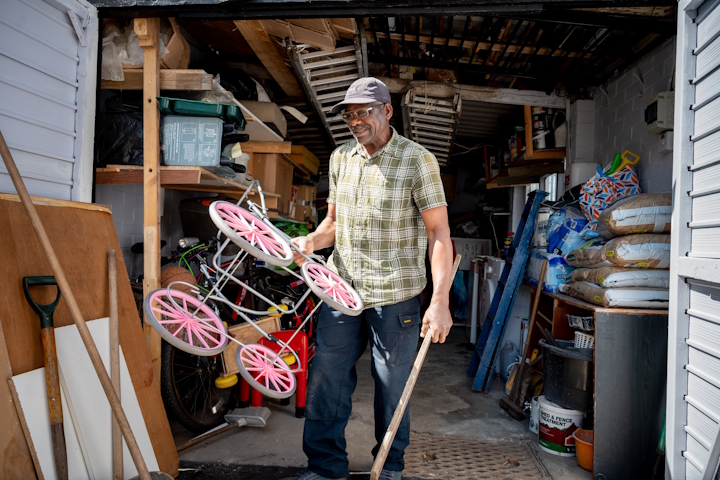
Hoarding disorder is a recognised mental condition. Some people with hoarding disorder will not have been formally diagnosed, and not everyone who lives in a cluttered home has hoarding disorder.
We are investigating how we can support residents who hoard, or who live with someone who does.
Available support
If clutter in your home presents an immediate fire risk, structural concern, or safeguarding issue, contact the relevant emergency or statutory services. In an emergency, call 999.
Support we can provide
Our bulky waste collection service can help you remove unwanted items. We also run regular neighbourhood clean-up events around the city.
If you’re a council tenant, our tenancy sustainment service can provide support to develop the skills you need to manage your tenancy.
If you’re 65 or older, our visiting support service can connect you with services to help you remain independent.
Support from other organisations
Contact your GP for advice and support with hoarding behaviour.
How Are You Cambridge’s hoarding and decluttering support includes a directory of services that can help with experiencing hoarding behaviours.
Hoarding Disorders UK is a charity that supports people who hoard and their families. It also provides training and guidance for professionals.
If you believe someone is at risk of neglect or self-neglect, you can report a concern about an adult to Cambridgeshire County Council.
The RCE Wellbeing Hub offers free courses including ‘Let’s talk about decluttering and hoarding disorder’ and ‘Living well with decluttering and hoarding disorder’.
The P3 Floating Support Service provides support for adults experiencing difficulties living independently.
Tips for reducing clutter
If you’re ready to start making changes to your living situation, or supporting someone who is, these tips might help.
- Avoid large clearances unless you are confident that you are ready to do so. Sudden clearances can be overwhelming and make it harder to maintain progress.
- Set small, achievable goals for a specific area. Think about how you want to use the space and identify a few manageable steps that will help you achieve that goal.
- Celebrate progress, no matter how small. Every step forward is an achievement.
- Reach out to a trusted friend, family member, or professional for support. You do not have to manage things on your own.
- When you have decided you no longer want to keep an item, try to remove it from your home as soon as possible. This can help prevent second thoughts and reduce clutter building up again.
- Take regular breaks and pace yourself. Making changes can be emotionally and physically tiring, so it’s important to work at a manageable pace.