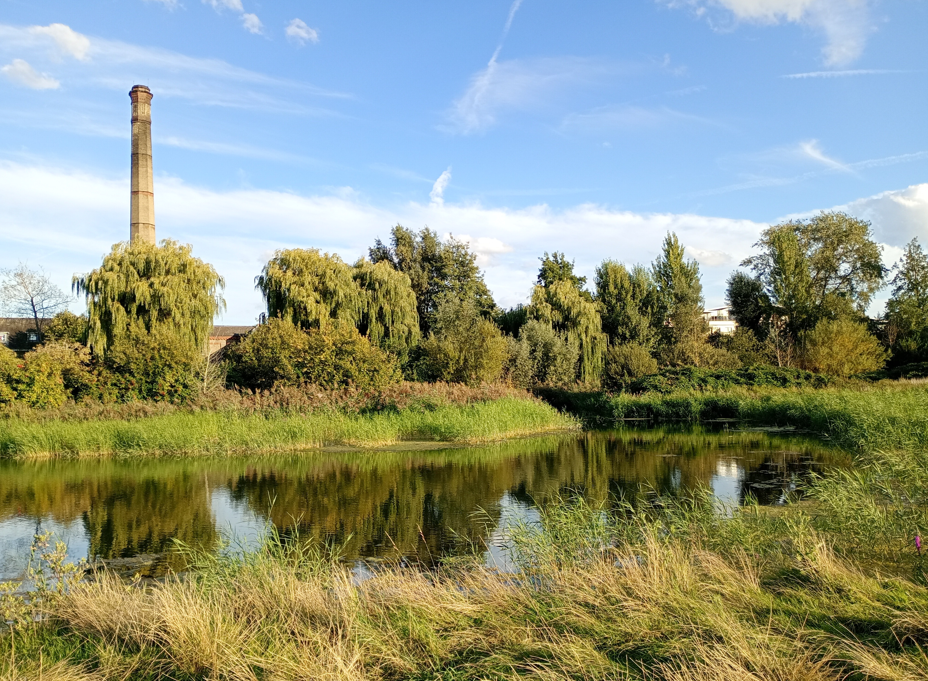
Cambridge City Council is asking people for their views on a brand new strategy to care for the city’s urban forest, and on the progress of its long-term Biodiversity Strategy to enhance nature in Cambridge.
The proposed new Urban Forest Strategy [PDF, 1.5MB] will set out how the council plans to protect, manage and expand the city’s trees and canopy cover in the next ten years.
In total there are more than 240,000 trees in Cambridge with a variety of landowners responsible for their upkeep, including the council, other local authorities, universities, private householders and businesses. Over recent years the council has planted thousands of trees in public spaces around the city, as well as encouraging others to plant trees through a number of different schemes, while protecting existing trees, including veteran and heritage trees.
The consultation on the proposed Urban Forest Strategy aims to build on this previous work and invites residents, communities and interested parties to help shape the future direction of tree management, for example by:
- Increasing the city’s tree canopy cover
- Doing more to build climate resilience
- Protecting mature and important trees
- Reducing pressures on trees caused by development, boosting people’s access to trees and involving the community in tree management.
At the same time as asking people for views on the proposed new Urban Forest Strategy, the council is asking for input on a review of its ongoing Biodiversity Strategy [PDF, 2.5MB], which outlines the work the council does to:
- Protect and enhance wildlife habitats, and where possible expand and link them
- Combine the best wildlife habitats into a wider ecological network that stretches beyond the city
- Give everyone who lives or works in Cambridge easy access to high-quality natural green spaces
- Promote greater awareness and understanding of biodiversity
This latest consultation aims to ensure that the council continues to collaborate closely with partners and residents to protect, manage and enhance nature. It also suggests some new actions and projects that could be undertaken in the coming years – to ensure the strategy dovetails with new government requirements as well as the emerging Urban Forest Strategy, and other recent initiatives like the Cambridgeshire and Peterborough Local Nature Recovery Strategy, the BIG Chalk initiative (of which the council is a partner) and ambitions for Cambridge to achieve a Nature City accreditation in the future
Cllr Martin Smart, Cabinet Member for Nature, Open Space and City Services, said: “Trees, habitats, wildlife and climate resilience are all closely interconnected. Many of the most important challenges facing the city – such as climate change, the importance of access to nature for people’s wellbeing, and the pressures placed on our natural habitats by development – cannot be addressed in isolation, which is why we are asking people for their views on these closely linked strategies at the same time.
“In doing so, we’re looking to take a coordinated approach to help ensure that all of our future policies which may affect trees and biodiversity – which I know so many people in Cambridge care deeply about – are properly aligned, and that our work with so many local partners, communities and organisations continues to be focused and successful for many years to come. I’d encourage everyone with an interest in nature in the city to look at our proposals and take part in the consultations by 10 February.”
The public is invited to have a say on the council’s draft Urban Forest Strategy and the review of its Biodiversity Strategy 2022-2030 by taking part in an online survey at engage.cambridge.gov.uk before 10 February. People can also request the survey in another format by emailing communications@cambridge.gov.uk.