Cambridge is home to a wide range of local groups, organisations, not-for-profits and volunteers dedicated to helping those in need.
Some focus on direct food support, while others collaborate with businesses, redistribute surplus food, or work with campaigning groups.
Thanks to this collective work, Cambridge was awarded the prestigious Sustainable Food Place Gold Award in 2024, recognising that the work on food justice in the city was nationally important
We continue to remain committed to finding sustainable ways to support our most vulnerable residents and create a fairer, more equitable food landscape.
Food support across Cambridge
In Cambridge, over 25 organisations form the local food justice alliance, working to tackle food insecurity. The city is served by:
- Cambridge City Foodbank Welcome Centres
- The Fairbite Food Club Network
- independent social supermarket
- independent food hubs
- other social food projects that include community meals, cookery workshops and growing initiatives
These efforts are supported by countless volunteers who dedicate their time to helping those in need. Find out what's open across the city on the Cambridge Sustainable Food website.
Our role
Cambridge City Council plays a key role in supporting these initiatives through its community grants and work by officers:
- facilitating the distribution of surplus food to social food projects through the Cambridge Sustainable Food distribution centre
- funds and hosts at City Council run community centres the Holiday Lunch Programme to provide meals during school holidays
- supports and is a member of the Food Justice Network, coordinated by Cambridge Sustainable Food CIC, which brings together organisations to collaborate and address food poverty
Together we’re working towards a fairer, more sustainable food system for everyone in Cambridge.
2026 conference
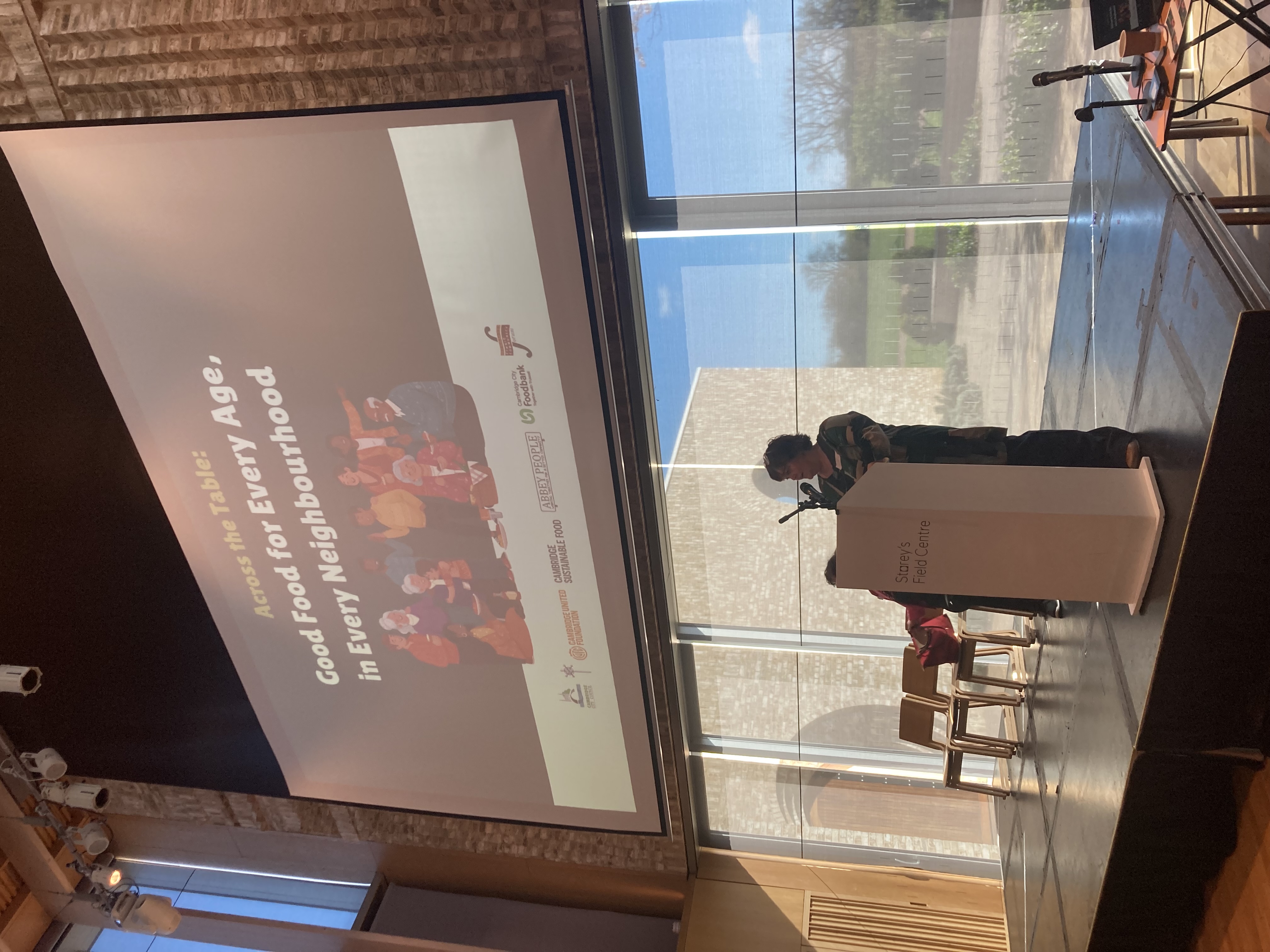
The 2026 Food Justice Conference took place on Thursday 26 March at Storeys Field Centre.
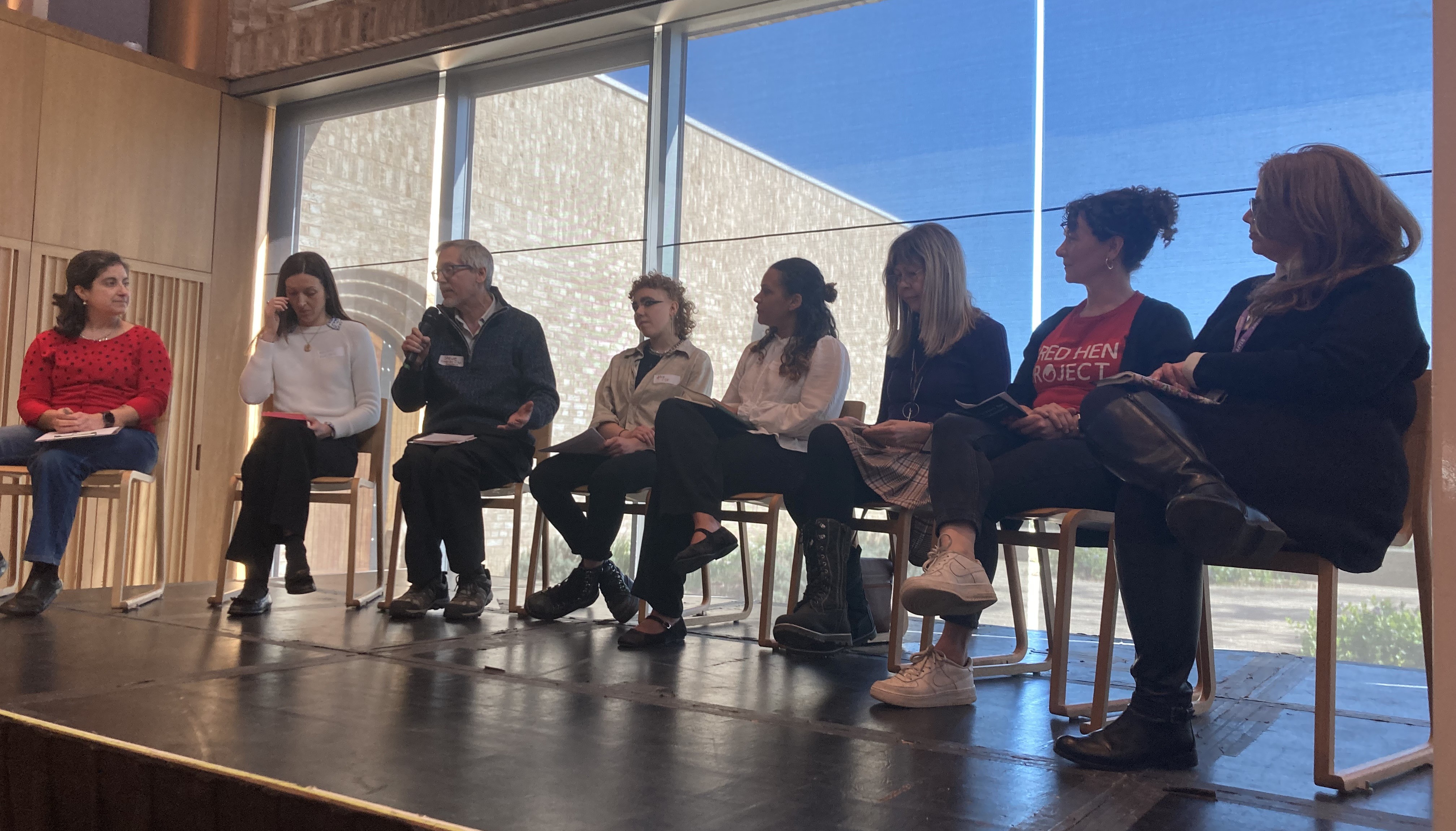
Across the Table: Good Food for Every Age, in Every Neighbourhood explored how multi-generational approaches to food can strengthen communities. Through a rich programme of speakers, panel discussions and practical conversations the conference examined the distinct challenges and opportunities people face around food at different ages, and how these intersect within families, neighbourhoods and local places.
An afternoon workshop played a key role in shaping the Alliance’s future direction, creating space for participants to share insights on the strengths and gaps within Cambridge’s food system and identify collective priorities. These contributions will directly inform the Alliance’s ongoing work, helping to guide more coordinated, inclusive and multi-generational approaches to tackling food inequality and building a fairer local food landscape.
2025 conference
The 2025 Food Justice Conference took place on Wednesday 26 February at Meadows Community Centre.
Community Food Power: A New Approach to Food Security, was organised by the Food Justice Alliance, where we explored how food can drive real change in tackling poverty and building stronger communities and together build on five years of collaborative efforts.
Food insecurity isn’t just about money—it impacts emotional wellbeing, nutrition, and the sense of belonging in a community.
We heard about the Food Ladders approach developed by Dr. Megan Blake, University of Sheffield, and whether this approach offers a new and fresh framework for the work in Cambridge on Food Justice.
The Food Ladders approach uses food to build resilience by creating connections and empowering communities. Unlike traditional approaches that only focus on emergency food aid, Food Ladders works through three steps: supporting those in crisis, building community capacity to access and share food, and encouraging self-organised projects that drive lasting change.
Food insecurity in Cambridge
Food insecurity is affecting lives and health more than ever before. Our short film, which we made with Cambridge Sustainable Food, explores the subject. It tells the story of some affected people and the organisations that are working hard to help them.